SMAC Attack! And Other Lessons on How Infrastructure Ate the World

When I joined IBM in 2010 as a strategy consultant in technology, one of the first things I was told was to brush up on something called SMAC — Social, Mobile, Analytics, and Cloud. At the same time, IBM was pushing hard on Watson, its AI platform.
At first, I’ll admit, I was puzzled. IBM was already a multi-billion-dollar powerhouse with huge consulting and infrastructure businesses. Why were we spending so much time learning about “Social” and “Mobile”? And cloud? That just sounded like someone else’s problem.
But IBM’s CEO at the time was crystal clear: cloud was the fastest-growing business unit, and it would outpace everything else. They were right. What looked like just another acronym has now reshaped not just IBM, but the entire world of IT infrastructure.
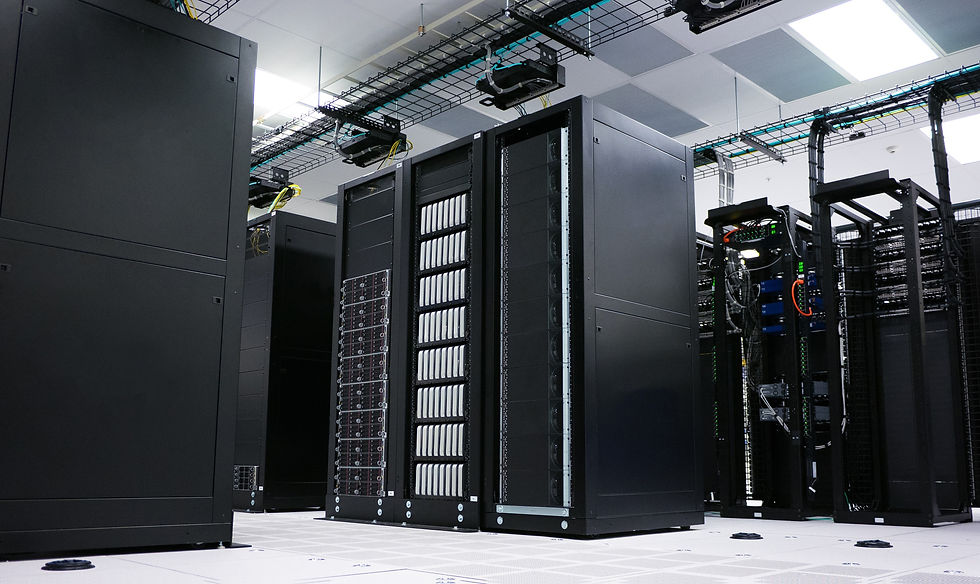
Back then, we were still surrounded by server racks, cabling diagrams, and power-hungry data centres. Fast forward 15 years, and the world I stepped into at IBM feels almost unrecognisable. Today’s CIOs manage platforms, services, and ecosystems, not just boxes and wires. And the pace of change isn’t slowing down.
The Way Things Were
Cast your mind back to the late 2000s and early 2010s. Infrastructure meant control. If you were a CIO, you owned the data centre, the servers, the cooling systems. You worried about hardware refresh cycles every few years. Budgets were dominated by CapEx, and resilience was about redundant power supplies and backup tapes.
The first real breakthrough was virtualisation. Running multiple workloads on a single machine with VMware or Hyper-V was game-changing. It saved money, reduced sprawl, and felt futuristic. But the reality was still heavy, physical, and inflexible compared to what we have today.
The Way Things Are
Today, infrastructure has become less about hardware and more about orchestration. CIOs are now conductors of an ecosystem, not mechanics in the engine room.
A few things stand out:
Cloud First, Hybrid Always: Public cloud is everywhere, but very few organisations are “all in.” Regulatory requirements, risk management, and cost control mean most businesses live in a hybrid or multi-cloud world. Containers and Kubernetes have made workloads portable in ways we couldn’t dream of in 2010.
Security is Non-Negotiable: In a world of ransomware, phishing, and nation-state cyber threats, infrastructure is security. Zero Trust, identity-first security, and continuous monitoring are now the baseline.
Everything as a Service (XaaS): Infrastructure, platforms, desktops, testing, you name it — all available as a service. This shift from CapEx to OpEx has changed not only budgets but also the CIO’s role in financial planning.
Observability and Data at Scale: With applications and data spread across cloud and edge, you don’t just monitor anymore — you need observability across the entire environment.
Platforms Over Products: Conversations with the business are no longer about servers or storage. They’re about platforms that enable outcomes: faster student recruitment, better customer engagement, more secure transactions.
The Way Things Are Going

So what comes next? Looking out over the next five years, a few big shifts are on my radar:
AI-Native Infrastructure: We’ll see infrastructure designed specifically to run AI workloads — with GPUs, TPUs, and specialised accelerators everywhere. AI won’t just run on top of infra; infra will be built around it.
Edge Computing Boom: With IoT devices, 5G networks, and immersive technologies like AR/VR, compute power needs to move closer to where data is created. Edge won’t replace cloud, but it will sit alongside it.
Sustainable IT: The carbon footprint of IT is becoming a boardroom issue. CIOs will be asked not only to run resilient infrastructure but also green infrastructure. That means energy-efficient hardware, renewable power, and new cooling technologies.
Quantum-Resilient Security: We’re not there yet, but the day will come when quantum computing breaks today’s encryption standards. CIOs will need to keep one eye on post-quantum security.
Autonomous Infrastructure: Think self-healing systems, predictive monitoring, and invisible IT. AI-driven automation (AIOps) will handle more of the day-to-day, leaving CIOs to focus on business strategy.
What This Means for CIOs

The CIO role has evolved dramatically. We are no longer caretakers of servers.
Instead, we are:
Strategists, aligning technology choices with business outcomes.
Risk Managers, embedding security and compliance into every decision.
Talent Leaders, building teams that blend infrastructure, cloud, and automation skills.
Change Agents, shaping culture and ways of working, not just technology stacks.
Infrastructure remains the backbone of IT — but for a modern CIO, the goal is to make it invisible. When it works seamlessly, the business can innovate freely on top of it.
Resources I’ve Found Useful
Books: The Phoenix Project (Gene Kim), Cloud Strategy (Gregor Hohpe), Cybersecurity and Cyberwar (Singer & Friedman).
Learning Platforms: AWS Skill Builder, Microsoft Learn, Google Cloud Skills Boost.
Communities: InfoQ, SANS Institute, The Cloudcast Podcast.
When I first heard about SMAC, I thought it was just another IBM acronym destined for a PowerPoint slide. I couldn’t have been more wrong. SMAC didn’t just matter — it ate the world.
That’s the lesson for CIOs today. What looks like a side-note trend today could be the foundation of tomorrow’s enterprise. Whether it’s AI-native infra, sustainable IT, or something we haven’t spotted yet, our job is to keep scanning the horizon.
And for those on the CIO pathway: don’t stress about knowing every config setting. Focus on building literacy across cloud, security, and operations. Enough to ask the right questions, enough to lead the right conversations, and enough to align infrastructure with business value.
Because at the end of the day, that’s what separates a good CIO from a great one: not how much they know about servers, but how clearly they can connect technology decisions to business outcomes.



Comments